
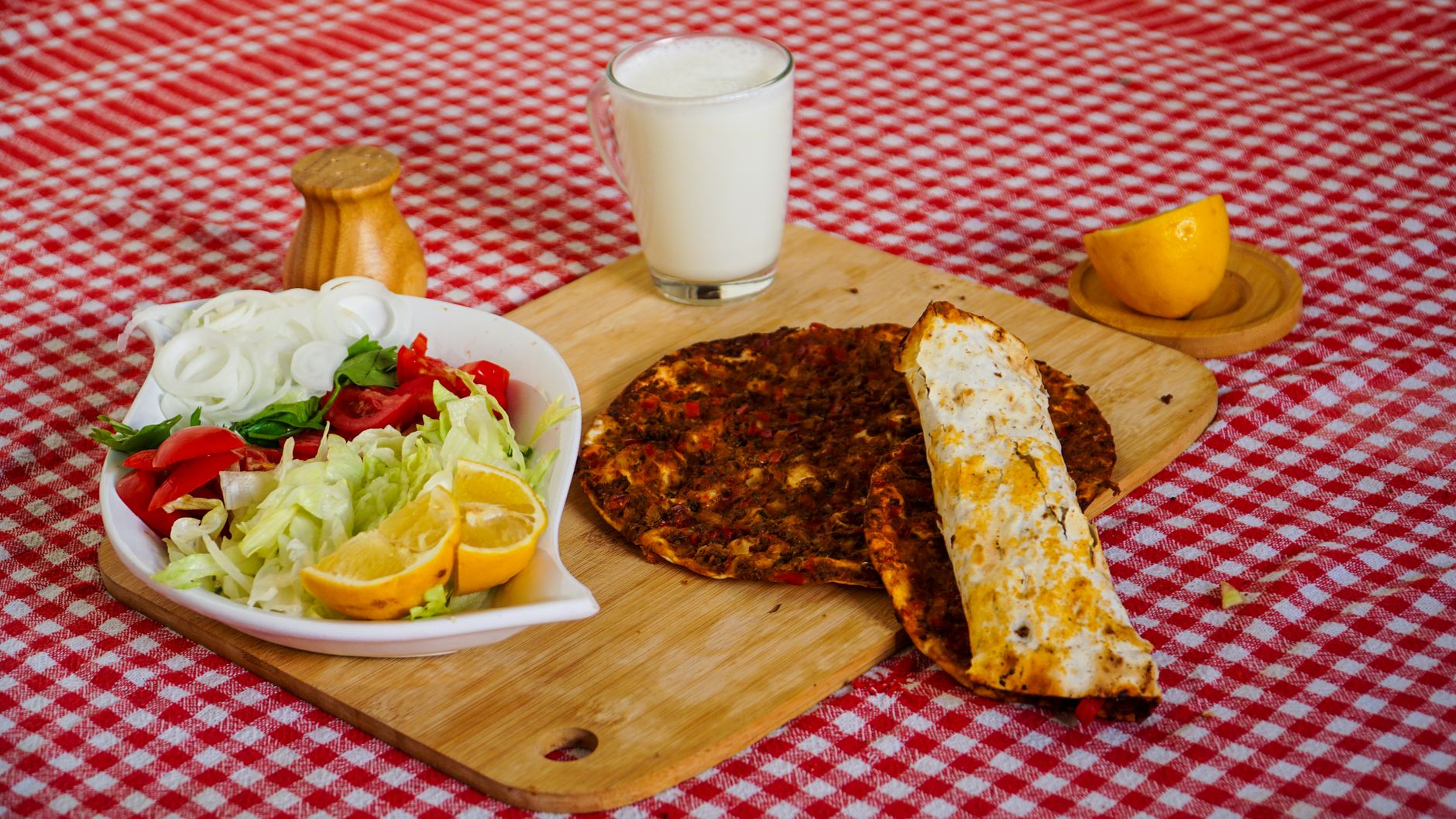
Tourist Menus vs. Local Cuisine: Why They're Worlds Apart
If you've eaten along Alanya's beachfront during peak season, you know what the typical tourist menu looks like: pizza, pasta, kebabs with pictures, and prices that leave no doubt about who's paying. Locals don't go there—not out of pride, but because they know tastier places that cost half as much. Alanya is a city of roughly 350,000 people; away from the tourist trails, it has its own genuine gastronomic life.
Autumn is an especially beautiful time to discover this world. The season winds down, tourist numbers drop, and establishments catering to local customers come back into focus. What's more, with weak tourism season straining businesses and many venues reconsidering their pricing, finding honest, delicious food has become much easier.
Lokantas: The Heart of Everyday Eating
A lokanta is a Turkish-style eatery serving home-cooked meals where locals eat daily. The concept is simple: the cook prepares a few dishes each morning—lentil soup, vegetables with meat, dolma, tomato sauce beans, pilaf—and sells them until they run out. Usually by early afternoon, options dwindle, which is why neighborhood residents arrive right at opening time.
In Alanya, lokantas are concentrated mainly in the Oba Göl neighborhood and the older parts of the city, away from the Kleopatra shoreline. A full lunch of soup, main course, bread, and tea costs about $8–12. This isn't a tourist discount—it's the real price for everyone. Portions are generous, everything is home-cooked, and no one brings you a glossy menu.
What to Look For
You can spot a good lokanta in seconds: the place is packed with middle-aged men in work clothes, the menu is handwritten on a board or doesn't exist at all, the server simply tells you what's available today. If there's a glass display case at the entrance showing pots of food, you're in the right place.
- Lentil soup—the essential start to every lunch
- Grilled meatballs with bulgur pilaf—hearty and affordable
- Grape leaf rolls—homemade versions taste completely different
- Imam baildi—eggplant cooked with tomatoes and onions; a classic of Turkish vegetarian cooking
Don't expect an English menu or credit card acceptance—most lokantas take cash only. But a lunch here leaves a far more lasting impression than any evening meal you'll eat on the beach.
Fish Restaurants: Where Fresh Catch Comes In
Alanya sits on the Mediterranean coast; here, fish isn't a luxury but everyday sustenance. Local fish restaurants that work with their own boats or buy directly from the harbor fish market are fundamentally different from touristy establishments with aquariums at every table and euro-denominated menus. Along the old harbor district and toward Kestel, along the coast, you'll find small family-run fish operations that build their menu around whatever came in that day.
In Turkey, fishing season officially opens in September, and autumn is the most productive period for fish restaurants. Tables feature sea bass, bream, red mullet, and squid. A portion of fried red mullet with salad and bread runs $15–20—not a tourist price, but the real market rate. The key indicator when choosing: if the fish is sold by weight and you can pick it fresh from a display case, the operation runs honestly.
Street Food: Turkish-Style Breakfast and Snacks
Alanya's street food culture is a world unto itself. Sesame simit rolls sell from carts all over the city starting early morning at truly modest prices: around $1–2. Simit is eaten with tea served in small glasses at any tea house or café. In Turkey, tea isn't just a beverage—it's a ritual; even on the busiest workdays, skipping morning tea is unthinkable.
Small bufés serving hot sandwiches, toasts, eggs, and white cheese open at 7 a.m. and run until noon. This is exactly where locals stop before heading to work. A breakfast of cheese and tomato toast, eggs, and two glasses of tea costs $5–8. No smoothies or avocado—just a real Turkish breakfast: hearty and hot.
Bakeries and Market Treasures
Alanya maintains a weekly market tradition, with different neighborhoods hosting markets on different days. Here you'll find fresh vegetables, homemade cheese, olives, figs, and spices at two to three times cheaper than supermarket prices. In autumn, the markets are especially abundant: pomegranates, quinces, walnuts, dried figs... Neighborhood women arrive early and know every vendor by name.
- Gözleme—thin flatbread filled with cheese, spinach, or potato; cooked right before your eyes
- Stuffed mussels—mussels filled with spiced rice; a beloved harbor street snack
- Roasted chestnuts—they appear on autumn streets right on schedule
Street food in Alanya isn't a tourist show—it's how a significant portion of the city's residents actually eat. Tasting these treats, even for an hour, is the most natural way to step into neighborhood life.
Tea Houses and Café Culture
A tea garden or çayhane isn't just a place to drink tea. It's where men debate current events, play chess, sit quietly with their newspaper—a gathering point. Every neighborhood in Alanya has one, and none cater to tourists. A glass of tea costs under a dollar, and an hour later, no one rushes you to leave.
The city is also seeing rapid growth in filter coffee culture—noteworthy in a country traditionally defined by Turkish coffee or tea. Around Oba Göl and central Alanya, you'll find small cafés serving quality espresso with comfortable terraces; you can spend your morning here with a laptop. Coffee prices hover around $4–7; quite reasonable compared to European cities.
In September, Alanya hosted the 20th International Jazz Festival; concerts took place at the Red Tower and the castle slopes. Throughout the festival, cafés and restaurants in the area became the true center of evening life. All concerts were free; those moments by the water with a glass of tea, live music in the background—that's part of why people come to Alanya.
Practical Tips: Eating Like a Local
The golden rule: walk away from Kleopatra beach into the residential neighborhoods. The farther you get from the sea and tourist hotel zones, the more authentic the food and reasonable the prices. Oba Göl, the bus station area, the old quarter below the castle—these are where you'll find real meals.
Eat early: most lokantas and bufés are open 11 a.m.–3 p.m., and the best dishes run out by early afternoon. In Turkey, dinner traditionally happens late—locals don't sit down before 8 p.m.; fish restaurants stay open until midnight. Cash remains preferred at small establishments; larger restaurants take cards.
- Ask what's fresh today—it's the surest way to get real food
- In Turkey, bread comes free almost everywhere—don't hesitate to ask for a second slice
- Tea after the meal is standard; usually included or offered for a nominal charge
- If you see a line of locals, don't think twice—join the queue
Alanya is worth living in partly because you can eat well every day without spending much. This is one of the reasons people most often mention when considering staying longer here—whether it's those seeking Turkish residence permits, those looking for rental apartments in Alanya, or those evaluating more permanent steps like property purchase. Food isn't a small detail: it sits at the very heart of why life here feels different.