
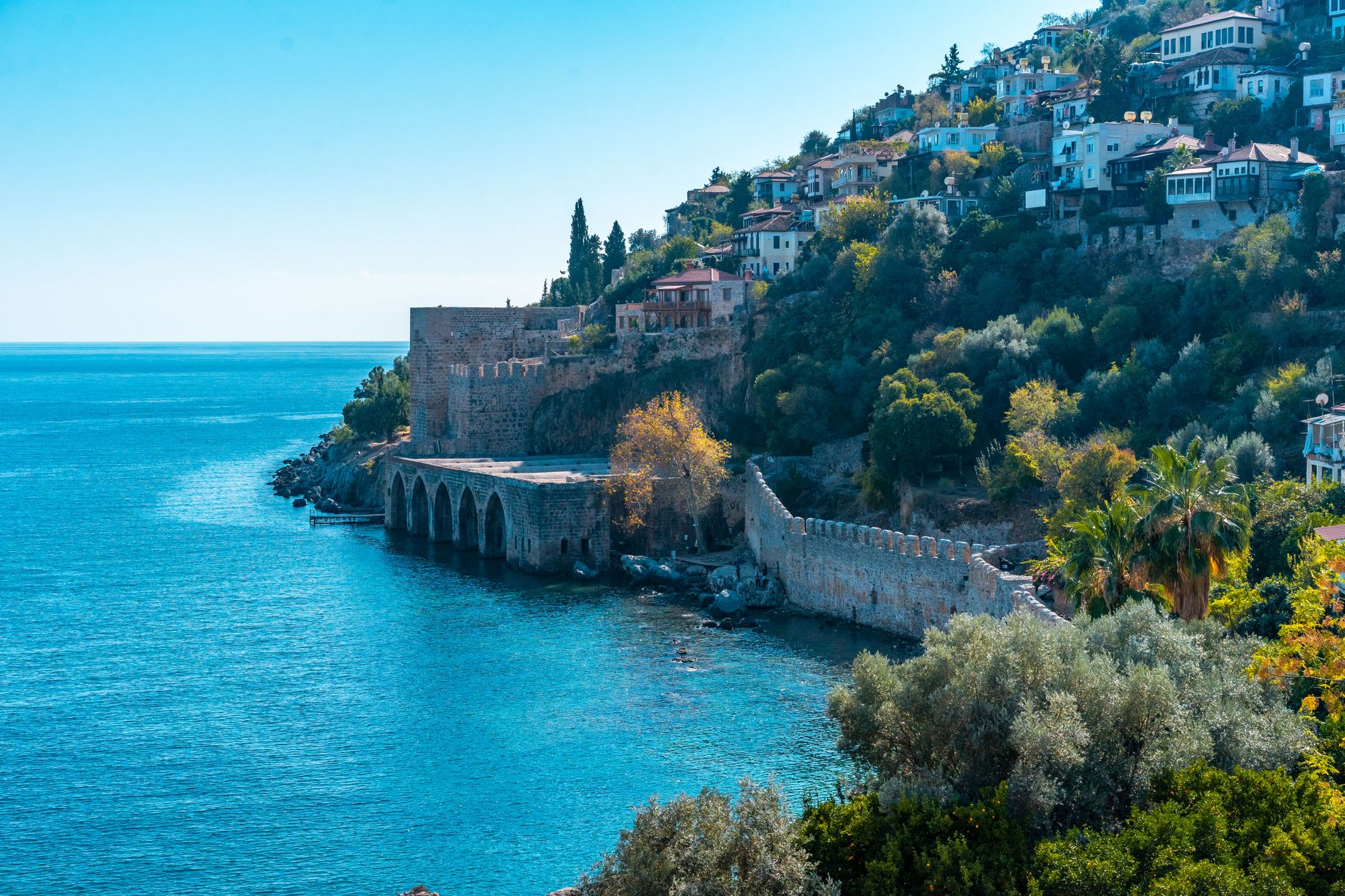
A City That Never Sleeps, Even After the Season
Many people arrive in Alanya in July and think they know the city. But the real Alanya reveals itself in October: when the scorching heat subsides, the tour buses leave, and the people who actually live here remain. The markets become calmer, the restaurants more welcoming; and the sea is still warm — water temperatures stay above 24°C until late November.
The city's permanent population is around 350,000, and a significant portion consists of expats who have moved here from Russia, Germany, Scandinavian countries, and all corners of the world. Neighborhoods like Mahmutlar, Oba, and Kestel have become truly multicultural districts where Turkish families, Russian-speaking expats, and European retirees live as neighbors in the same apartment buildings. This is why demand for rental and sale properties in Alanya never drops: people aren't looking for a holiday here — they're searching for a new rhythm of life.
Beaches: Where to Go and When
The city's most popular beach, Cleopatra, is centrally located and operates all day long. You'll find paid umbrellas and sunbeds (approximately 150-200 TL per set), shower facilities, and open-air cafes right on the sand. The beach holds the international Blue Flag certification for its clean water and quality infrastructure.
For those seeking tranquility, Keykubat Beach is an excellent choice — slightly away from the center, less crowded, and perfect for morning swims. Residents of the Incekum district prefer the beach of the same name; it has a more natural character and fine sand. During high season between June and August, all city beaches fill up by ten in the morning; that's why experienced Alanya locals either arrive before nine or come after five in the evening. Learning this practical tip early makes daily life significantly easier.
Water Activities
Alanya has several dive centers offering dives among the caves and rocks at Alanya Cape. The average cost for a single dive with an instructor is around 50-70 Euros. Yacht tours run every year from April to October, departing from the old harbor; the route typically includes Phosphorus Cave, Lovers' Cave, and a snorkeling stop.
- Cleopatra Beach — stands out for its central location, developed infrastructure, and Blue Flag
- Keykubat Beach — suitable for morning swims with its calm character
- Incekum Beach — distinguished by its natural character, fine sand, and fewer crowds
- Yacht tours from the old harbor — organized daily during the season
Which beach you choose largely determines which neighborhood you'll prefer when searching for rental apartments in Alanya: proximity to the sea directly impacts daily comfort here.
Dining and Restaurants: Where the Locals Eat
In Alanya's center, tourist restaurants with photo menus in five languages are plentiful. But when you turn into the streets behind the bazaar or head up the roads toward the castle, the picture changes. There you'll find small eateries — family-run businesses that have been cooking kebabs, mantı, and soups in the same spot for years. The prices continue to surprise even those who've lived in the city for years.
The fish market right next to the old harbor is an indispensable stop for home cooks. At eight in the morning, fresh sea bream, sea bass, octopus, and squid arrive here; you can have the fish cleaned and filleted if you wish. At the city market right beside it, you'll find vegetables, olives, spices, and local cheese at much more affordable prices than Migros or CarrefourSA. Once you get used to shopping there, it's hard to go back.
Coffee Culture and Evening Rituals
Turkish breakfast is an experience in itself. Cafes along the coast and in the İskele neighborhood serve serpme kahvaltı: various cheeses, olives, eggs, fresh bread, honey, kaymak, and the indispensable tea in tulip glasses. Such a breakfast for two ranges from 300-500 TL depending on the venue. When evening comes, life moves to the bar street in Hasanefendi — live music, tourists from around the world, and a lively atmosphere. But locals mostly prefer the quieter tea houses away from the noise; there the conversation runs deeper and the tea is stronger.
An important note for those coming from Russia: the number of establishments accepting SBP — Fast Payment System — is steadily growing in Alanya and all along the coast. You just need to scan the QR code in your banking app; payment is processed directly in rubles. This significantly simplifies things during the first weeks after moving.
Transportation, Healthcare, and Daily Infrastructure
The most practical means of transportation in Alanya is the dolmuş — minibuses operating on fixed routes from early morning until late at night. Tickets cost approximately 15-20 TL and are paid in cash to the driver. Taxis are more expensive but can be easily called via app; BiTaksi is widely used in the region.
In terms of healthcare infrastructure, the state hospital on Sarayönü Avenue and various private clinics provide services. A consultation with a private general practitioner ranges from 500-800 TL, while dental services are quite affordable compared to Western Europe. Many expats obtain local health insurance — especially considering that the minimum income requirement for residence permit in Turkey starts at 31,000 TL per year and mandatory insurance is excluded from this, planning residence costs in advance is of great importance.
Shopping and Daily Needs
Alanyum and Oba Center shopping malls cover the vast majority of daily needs such as electronics, clothing, groceries, and pharmacies. For electronics, Teknosa or Vatan Bilgisayar are preferred options. The Friday market in the Oba neighborhood is considered one of the city's best — a must-visit place for seasonal vegetables, homemade cheese, and fabrics.
- Dolmuş — the main transportation covering all parts of the city, 15-20 TL
- BiTaksi — taxi calling application
- Alanyum and Oba Center — large shopping malls
- Oba Friday Market — ideal for fresh produce and local goods
Those searching for rental apartments in Alanya or considering buying a home for permanent residence in Turkey often shape their preferences not only by sea views but by proximity to this infrastructure. And they make the right decision.
Culture, Nature, and Life Beyond the Beach
Alanya Castle at the top of the cape offers much more than that postcard image you see on souvenir magnets. We recommend you climb up there at least once: only from here can you understand how vast an area the city sprawls across, where the Taurus Mountains begin, and where development ends. The castle was built in the 13th century during the reign of Seljuk Sultan Alaeddin Keykubat; residential structures, a church, and water cisterns have survived to this day.
Damlataş Cave, right next to Cleopatra Beach, is open to visitors daily. The high humidity inside and constant temperature of approximately 22°C create an environment traditionally believed to be beneficial for respiratory ailments — locals come here in the morning hours before the doors open to tourists. Entry is approximately 100 TL. The Sapadere and Dimçay canyons surrounding the city are popular routes for those wanting to hike in the shade of eucalyptus trees and along the streams.
Alanya is truly a city to live in — not just a place to vacation. There's a rhythm here, solid infrastructure, unique nature, and a deep cultural fabric that can only be discovered over several months, not two weeks. If you're considering moving, start by renting a long-term apartment in one of the residential neighborhoods — it's a much more honest and sensible approach than making decisions based on vacation impressions.