
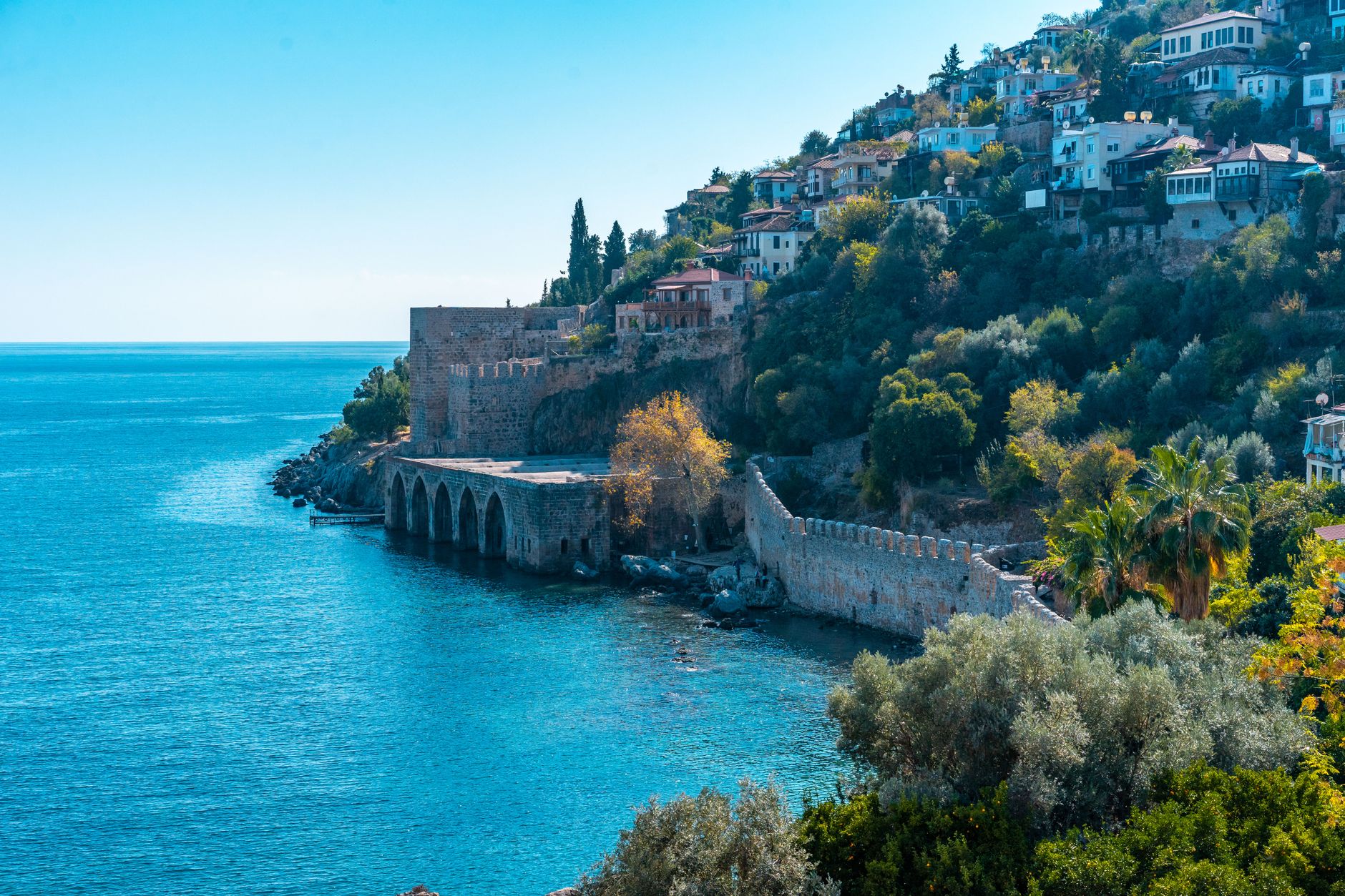
A city that never sleeps, even when the season ends
Many people visit Alanya in July and think they know the city. However, the real Alanya reveals itself in October: when the scorching heat subsides, tourist buses depart, and the locals remain. Markets become quieter, restaurants feel more welcoming, and the sea stays warm—water temperatures hover above 24 degrees Celsius until the end of November.
The city's permanent population is around 350,000, and a significant portion consists of expats who have moved here from Germany, Scandinavia, the Middle East, and all over the world. Neighborhoods like Mahmutlar, Oba, and Kestel have transformed into truly multicultural districts where local Turkish families, international expats, and retirees from across Europe are neighbors in the same apartment buildings. This is why the demand for long-term rentals and property purchases in Alanya never fades: people here aren't looking for a vacation; they are looking for a new rhythm of life.
Beaches: where and when to go
Kleopatra Beach, the city's most famous spot, is centrally located and operates all day long. Here you will find paid umbrellas and sunbeds (approximately 150-200 TL per set), shower facilities, and open-air cafes right on the sand. The beach holds the international Blue Flag certification for its clean water and high-quality infrastructure.
For those seeking peace and quiet, Keykubat Beach is a great option—slightly further from the center, less crowded, and perfect for morning swims. Residents of the Incekum area prefer its namesake beach, which features a more natural character and fine sand. During the high season from June to August, all city beaches are packed by 10 AM; that is why experienced Alanya residents either arrive before 9 AM or after 5 PM. Learning this practical tip early on makes daily life much easier.
Sea activities
Alanya is home to several diving centers that offer excursions around the caves and cliffs of the Alanya Peninsula. The average cost of a single guided dive is around 50-70 Euro. Yacht tours run every year from April to October, departing from the old harbor; the route usually includes stops at the Phosphorous Cave, Lovers' Cave, and snorkeling breaks.
- Kleopatra Beach — stands out with its central location, developed infrastructure, and Blue Flag status
- Keykubat Beach — its calm nature makes it suitable for morning swims
- Incekum Beach — distinguished by its natural character, fine sand, and lack of crowds
- Yacht tours from the old harbor — run daily during the season
The beach you prefer will largely determine which district you choose when looking for a rental apartment in Alanya: proximity to the sea directly affects your daily comfort here.
Dining and restaurants: where the locals eat
In the center of Alanya, there is no shortage of tourist-oriented restaurants with photo menus in five languages. But once you head into the streets behind the bazaar or take the roads leading up to the castle, the scene changes. That is where you find small eateries—family-run businesses that have been serving kebab, manti, and soup in the same spot for years. The prices continue to surprise even those who have lived in the city for a long time.
The fish market right next to the old harbor is an essential stop for those who cook at home. Fresh sea bream, sea bass, octopus, and calamari arrive at 8 AM; you can have the fish cleaned and filleted on the spot. At the nearby city market, vegetables, olives, spices, and local cheeses are much more affordable than at chain supermarkets like Migros or CarrefourSA. Once you get used to it, it is hard to go back.
Coffee culture and evening rhythm
Turkish breakfast is an experience in itself. Cafes along the coastline and in the Iskele district offer "serpme kahvaltı" (spread breakfast): various types of cheese, olives, eggs, fresh bread, honey, clotted cream (kaymak), and the indispensable tea served in tulip-shaped glasses. Such a breakfast for two costs between 300-500 TL, depending on the venue. As evening falls, life moves to the bar street in Hasanefendi—live music, travelers from all over the world, and a lively atmosphere. However, locals mostly prefer the tea houses ("çay ocağı") away from the noise; the conversations there are deeper, and the tea is stronger.
A note for international arrivals: the number of spots in Alanya and along the coast accepting payments via fast payment systems is constantly increasing. Simply scanning a QR code in your banking app is often enough. This makes things significantly easier during your first weeks after moving.
Transport, healthcare, and daily infrastructure
The most practical way to get around Alanya is by "dolmuş"—minibuses that run on fixed routes from early morning until late at night. The fare is approximately 15-20 TL and is paid in cash to the driver. Taxis are more expensive but can be easily called via an app; BiTaksi is widely used in the region.
In terms of healthcare, the state hospital on Sarayonü Street and various private clinics provide services. A consultation with a private general practitioner ranges between 500-800 TL, while dental services are quite affordable compared to Western Europe. Many expats opt for local health insurance—especially considering that when planning for a residence permit (ikamet izni), one must account for the minimum income requirements and mandatory insurance, making it important to plan these living expenses in advance.
Shopping and daily necessities
The Alanyum and Oba Center shopping malls cover most daily needs, such as electronics, clothing, groceries, and pharmacies. For electronics, Teknosa or Vatan Bilgisayar are common choices. The Friday market in the Oba district is considered one of the best in the city—it is a must-visit for seasonal vegetables, homemade cheese, and textiles.
- Dolmuş — the main transport tool covering every corner of the city, 15-20 TL
- BiTaksi — a popular taxi-hailing app
- Alanyum and Oba Center — major shopping malls
- Oba Friday Market — ideal for fresh produce and local goods
Those looking for a rental apartment in Alanya or considering buying a home for permanent residence in Turkey often base their choices not just on the sea view, but on proximity to this infrastructure. And they make informed decisions.
Culture, nature, and life beyond the beach
The Alanya Castle, perched on the top of the peninsula, offers much more than the postcard image you see on souvenir magnets. We recommend going up at least once: only from there can you understand how vast the city is, where the Taurus Mountains begin, and where the urban sprawl ends. The castle was built in the 13th century during the reign of the Seljuk Sultan Alaeddin Keykubat; residential structures, a church, and water cisterns within it have survived to this day.
Damlataş Cave, located right next to Kleopatra Beach, is open to visitors every day. The high humidity and a constant temperature of about 22 degrees inside create an environment traditionally believed to be beneficial for respiratory conditions—locals often come here in the early morning before the doors open to tourists. The entrance fee is approximately 100 TL. Sapadere and Dimçay canyons around the city are popular routes for those who want to hike in the shade of eucalyptus trees and by the riverbanks.
Alanya is a city to truly live in—not just a place to vacation. It has a rhythm, a solid infrastructure, unique nature, and a deep cultural fabric that you can only discover over several months, not two weeks. If you are thinking of moving, start by renting a long-term apartment in one of the residential districts—this is a much more honest and rational way to decide than relying on vacation impressions.