
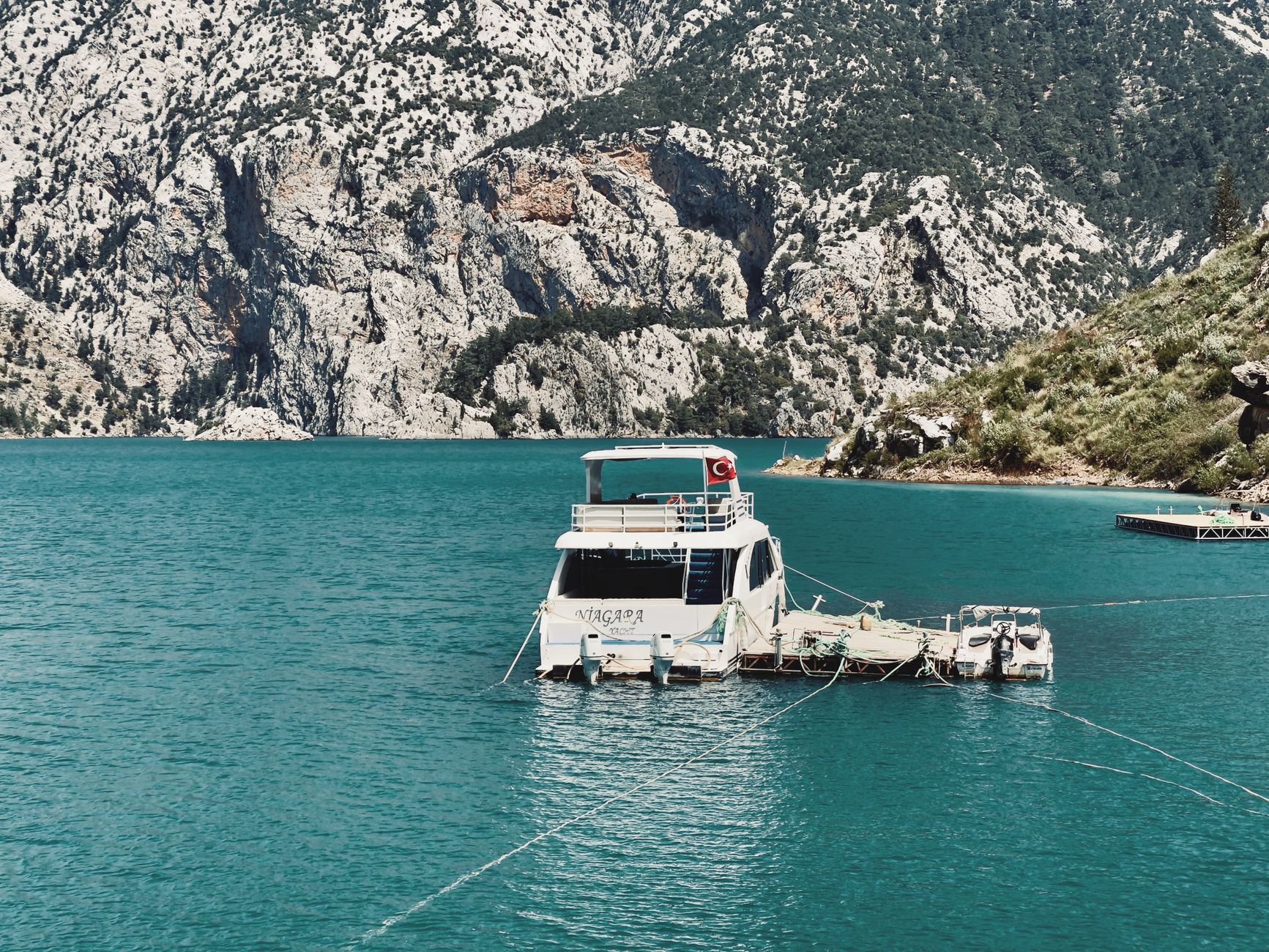
Sapadere Canyon: The Toros Mountains' Most Accessible Trail
Sapadere Canyon sits approximately 25 kilometers from Alanya's center and stands out as the region's most beloved nature route. Sapadere village is nestled in a valley at about 400 meters elevation, while the canyon itself winds along a mountain river between cliffs reaching heights of 100 meters. The drive from Alanya takes roughly 40 minutes by car, and it's easily accessible via organized tours.
The pathway through the canyon follows the river via wooden walking platforms and small bridges. This one-way route takes approximately 1.5–2 hours and requires no special preparation. The entrance fee is around 150–250 TL per person, which includes path access and basic facilities. At the route's end, a charming trout farm and restaurant await you — lunch here runs about 300–500 TL per person.
It's worth noting that gendarmerie checkpoints along the Sapadere route have increased significantly in recent times. In August 2026, 23 safari vehicles were inspected, with authorities announcing that controls would continue throughout the season. This means unregulated tours are increasingly discouraged — choosing licensed and reliable operators is both safer and far more enjoyable.
Diving in Alanya: What Awaits Below the Surface?
Alanya is genuinely fortunate when it comes to diving infrastructure. The region hosts various certified dive centers, most of which are located around Kleopatra Beach and the harbor. Depending on the route, diving depths range from 5 to 35 meters, with visibility reaching 20–25 meters during summer months. Rocky ridges, small caves, and sunken anchors create an intriguing underwater landscape.
For beginners, a standard full-day tour with two dives costs approximately 2,000–2,500 TL, including instructor, equipment, and a light lunch onboard. For PADI or SSI-certified experienced divers, deeper routes and coastal cave dives are available. Alanya's diving season runs from April through October, with peak conditions from July through August when water temperatures reach 28–30°C.
Things to Know Before Diving
Turkish authorities conducted comprehensive environmental inspections across the Antalya region in August 2026; 491 coastal facilities were inspected and some were penalized for pollution violations. Dive centers operating through legal channels typically maintain strong environmental standards, as clean water serves their own interests. Before booking, it's wise to inquire about the operator's licensing information and recent environmental inspection results.
- The best diving time is early morning, before 10:00 — the water is calmer and visibility is clearest
- For beginners, the area around Alanya Cape is an ideal starting point — shallow and calm
- If you don't have your own equipment, daily rentals run approximately 500–650 TL
- Open Water certification courses last 3–4 days and cost around 9,000–11,000 TL
Diving in Alanya is highly accessible for beginners; most centers offer supervised discovery dives without requiring certification.
Hiking in the Toros Mountains: Routes for Every Level
The Toros Mountains begin just a few kilometers from Alanya's coastline and offer hiking options suited to every fitness level. Lower routes accessible by foot or bike start at 300–500 meters elevation and provide stunning sea views as you walk. More challenging climbs rise above 2,000 meters, where you'll enjoy surprisingly cool air even in mid-August compared to the coast.
One of the most popular routes starts from Dimçay Village and follows the river of the same name — perfect for families with children and requiring no special equipment. A longer alternative winds through mountain villages to viewpoints overlooking Alanya and its castle. This route takes 4–6 hours, and starting early in the morning while it's still cool is advisable.
Guided Tours and Independent Hiking
Most tourism agencies in Alanya organize guided day hikes; prices range from 1,000–1,600 TL per person and typically include transportation, lunch in a mountain village, and insurance. For those planning independent hikes, carrying plenty of water is essential: finding springs along the lower Toros routes in summer is challenging, and temperatures remain high until sunset. The good news — cell phone reception is quite reliable throughout most of the canyons.